The pearl cichlid is one of the freshwater fish native to South America. Find out the habitat of pearl cichlid fish and their characteristics.
The pearl cichlid fish are semi-aggressive freshwater fish from South America. These types of fish are popular because they have attractive patterns and are easy to maintain. What do these freshwater fish look like? What kind of habitat of pearl cichlid fish do they live in? Let’s find out the explanation below.
The Characters of Pearl Cichlid Fish
Known as Geophagus brasiliensis, the pearl cichlid fish have attractive characteristics. They have pearly spot patterns with a gray-green body and red fins. The colors of the body, including the fins, may change because of the moods or during mating sessions. The body can change, brighten, or fade from a pale light brown to almost purple or dark blue.
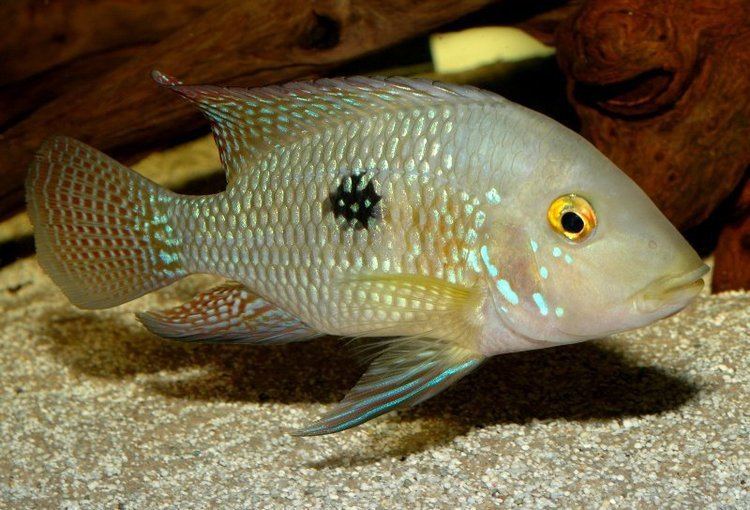
The male pearl cichlids may reach up to 9.8 inches (25cm). Meanwhile, the female ones tend to have a bit more than half the size of the males.
Social Behaviors of Pearl Cichlid Fish
Being well-known as the aquarium species, pearl cichlid fish are temperamental. They like to mark the territory and make other fish away from their breeding space. As they have semi-aggressive behavior, especially during the breeding season, the aquarists prefer to care for these fish as a single or a pair.
The pearl cichlid fish tend to become a significant pest when the fish are in the wild. Their behaviors will be more aggressive as their size and hardiness change.
Habitats of Pearl Cichlid Fish
Pearl cichlid fish is originally from eastern and southern Brazil and Uruguay. Their population can also be found in Australia, Taiwan, the Philippines, and the United States. These freshwater fish live in coastal drainage and even in full-strength seawater. Furthermore, they can adapt to varied waters as the habitat of pearl cichlid fish. Here are some habitats of the pearl cichlids.
Irrigation channels
The irrigation channel is a freshwater habitat of pearl cichlid fish. This place becomes a secondary habitat for them. If they grow in this place, they tend to be harmful because they become pests and threaten aquatic life in the irrigation channels.
Lakes
The pearl cichlids can also be found in lakes. They become hardy and aggressive when they grow and breed in the lakes. Their existence may be a potential pest and cause harm to life in lakes.
Reservoirs
Another habitat of pearl cichlid fish is reservoirs. As they are freshwater fish, the water in reservoirs enables them to live and breed. When they live in tolerated habitats, like in reservoirs, they will be more aggressive and become a threat to life there.
Rivers
Rivers become the pearl cichlids’ principal habitat. They can even survive in the lower reaches of rivers when the water is turbid and contains a variety of substrates. The type of water movement in rivers tends to make the fish more aggressive. The aggressive behavior causes a threat to the creatures in the rivers.
In conclusion, the habitat of pearl cichlid fish may vary. They can survive in both wetland and riverine habitats. When they are in the wild, the pearl cichlid fish will be more aggressive and harmful to the aquatic life in the habitat.
Sources
https://www.dpi.nsw.gov.au/fishing/aquatic-biosecurity/pests-diseases/freshwater-pests/finfish-species/pearl-cichlid
https://animal-world.com/encyclo/fresh/cichlid/PearlCichlid.php
https://en.wikipedia.org/wiki/Pearl_cichlid
https://www.cabi.org/isc/datasheet/121012