
Live Habitat of Cherry Barb Fish

Meta: Live habitat of Cherry Barb fish is a tropical forest that has wet areas. There, the fishes live and spawn in small ponds with shades and places to hide.

Live habitat of Cherry Barb fish is information that every buyer must know. By learning about it, it shows that you care about your fishes. Once you buy them, they became a part of your life and family. This article contains brief information that you need to understand where the Cherry Barb comes from. Let’s start with the fish’s profile.
Fish Profile

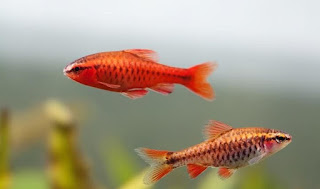
The scientific name of Cherry Barb is Puntius titteya. It is the same family as minnows and carp, which is the Cyprinidae family. There are over 2000 species of this family worldwide. As the name suggests, the Cherry Barb’s color is dominantly red cherry for the males. As for the female, they appear whiter.

The fish’s behavior is shy; however, it became confident when there are schools of them. Apart from being confident, they’ll be more likely to survive as well. 

Origins

This fish originates from Sri Lanka, specifically the southern part that receives annual rainfall from March to August. This tropical environment has a constant temperature of 25 to 27 degrees Celsius. They spawn naturally in waters inside the forest.

The Sri Lanka forests are wet zone, meaning that it is moist. It is inhabited by most of the country’s fauna and flora, which prefer this type of condition to strive and make localized biodiversity.

Distribution

As explained before, they are native to Sri Lanka, specifically in Nilwala to Kelani basins. 

Habitat

The live habitat of Cherry Barb fish in wet areas of Sri Lanka forests provides many places to hide. Aside from that, they like shades and calm waters. Slightly acidic waters are their favorite.

Their natural habitat makes them a low-maintenance type of fish as they are quite durable. They can live in small ponds that do not receive much light. Many cases are, there are many leaf litters at the bottom of the pond. However, this does not mean that you can neglect it as you like once you bought them for your aquarium. They can still have health issues if certain conditions are not met.

Learning about the live habitat of Cherry Barb fish is the first step of becoming a responsible buyer. By making them feel at home, they will surely be happy, and the probability of a long life is increased. Hopefully, this article helps you! 


Popular posts from this blog

Factors that affect the health of Koi fish

The health of koi fish is influenced by several critical factors which must be managed effectively to ensure their well-being and longevity. Water Quality Ammonia Levels: High ammonia levels can lead to toxic conditions that compromise fish health. Regular testing and filtration systems are vital. pH Levels: The ideal pH range for koi is between 7.0 and 8.5. Extremes in pH can cause stress and illness. Oxygen Levels: Adequate dissolved oxygen levels are essential. Aeration can help maintain optimal conditions, especially in warmer months. Temperature: Koi thrive in temperatures between 65°F and 75°F. Sudden temperature changes can create stress. Koi Fish (shutterstock.com) Diet and Nutrition Quality of Feed: A balanced diet rich in essential nutrients affects koi health, growth, and coloration. Consider high-quality pellets and supplements. Feeding Practices: Overfeeding can lead to water quality issues while underfeeding may cause malnutrition. Careful monitoring is necessary. Environ...

Platypus habitat

The platypus is a unique and fascinating monotreme native to Australia. It is one of the few egg-laying mammals and is known for its distinctive features, including a duck-like bill, webbed feet, and a flat tail. The platypus has a streamlined body adapted for aquatic life, and it primarily inhabits freshwater streams and rivers. platypus ( shutterstock.com) One of the most notable characteristics of the platypus is its bill, which is sensitive to electrical fields generated by the movements of prey underwater. This adaptation allows the platypus to hunt efficiently for invertebrates and small fish while swimming with its eyes and ears closed. In addition to its bill, the platypus has webbed feet that assist in swimming but have retractable claws for digging burrows. The platypus is also remarkable for its unique reproductive method. Female platypuses lay one to three eggs, which they incubate in a burrow. After hatching, the young feed on the mother’s milk, which is secreted through o...

Environmentally Friendly Catfish Farming

Catfish farming is a significant aquaculture activity with high market demand. Implementing environmentally friendly practices ensures sustainable production while minimizing adverse ecological impacts. Key strategies for eco-friendly catfish farming include: catfish farming depositphotos.com 1. Sustainable Water Management Recirculating Aquaculture Systems (RAS): These systems reuse water through filtration and treatment, greatly reducing water consumption and waste discharge. Water Quality Monitoring: Regular checks of pH, dissolved oxygen, nitrogen compounds, and temperature help maintain optimal and stable conditions, preventing pollution. 2. Eco-Friendly Feed Practices Use of Natural or Locally Sourced Feed: Reducing reliance on commercial pellets that may contain unsustainable fishmeal or soy. Feed Optimization: Feeding the right amount reduces waste and feed residues that pollute water bodies. 3. Integrated Farming Systems Aquaponics: Combining catfish farming with vegetable cul...