Some diseases of pinktail chalceus fish are parasites, bacteria, Lymphocystis, and gas bubble disease. To prevent your fish from being infected, water quality is important.
Pinktail chalceus fish or also known Chalceus macrolepidotus is a very active yet shy fish. They can live both in a group and solo. For tropical fish hobbyists, pinktail chalceus fish is not their favorite. It is because of their big size. Maintaining them in a tank is rather easy because they are not easily infected. Still, there are some diseases of pinktail chalceus fish that you should beware of. Here are some common illnesses that may attack your pinktail chalceus.
Parasites
Parasites can infect pinktail chalceus fish and other freshwater fish. Several different parasites can attack them, but the most common parasites are Chilodonella, Argulus spp. Or fish lice, learnea spp. or also known as anchor worms, white spot disease that is caused by ichthyophthirius multifiilis, trichodina, and mongenean trematodes or also called flukes.
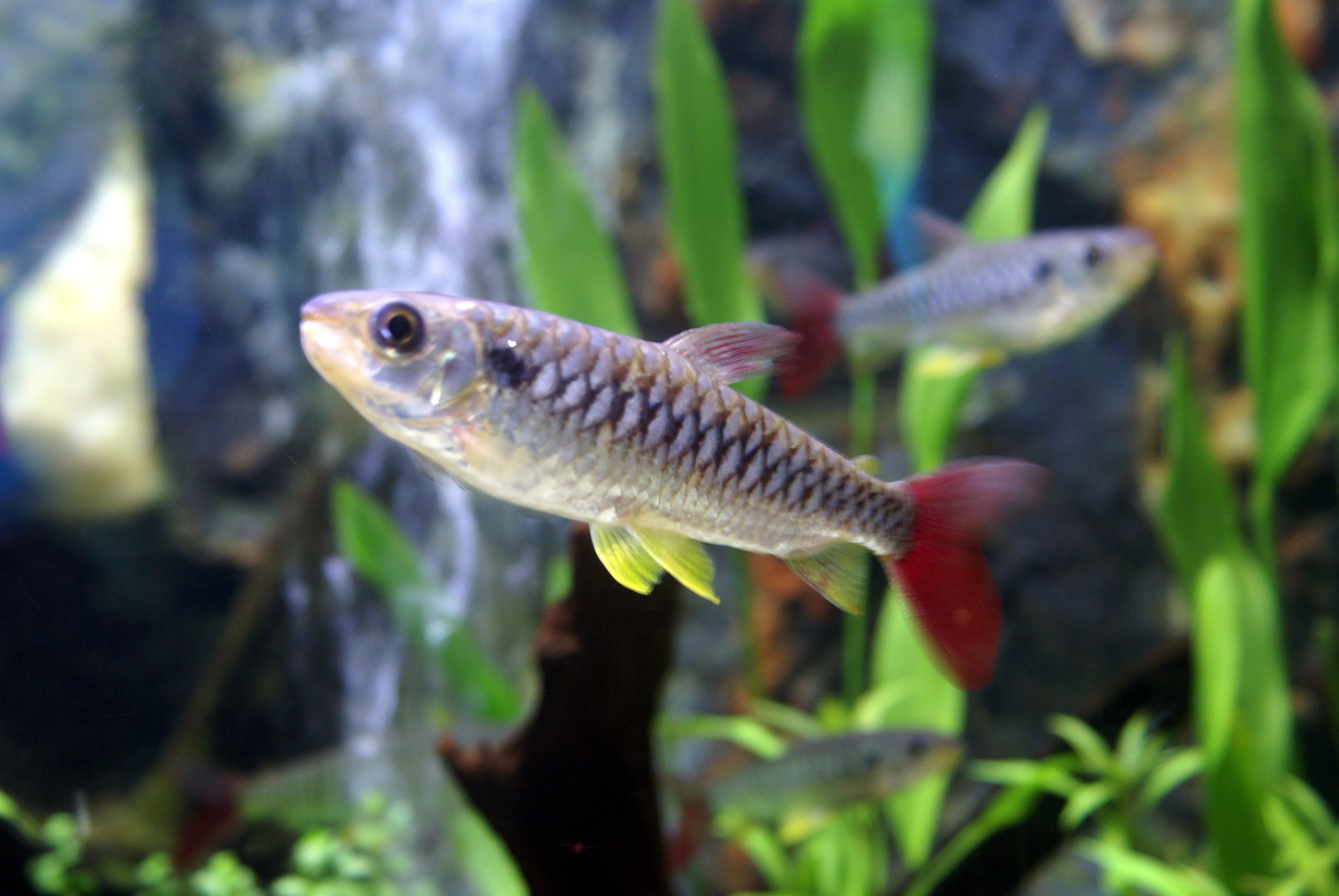
Mostly these parasites will attack fish that is just captured and then placed in the aquarium. During this period, pinktail chalceus fish’s immunity will lessen, and parasites can easily invade. When these parasites are in action, they will cause lethargy, food aversion, flashing, and in severe cases, it causes death.
Bacteria
Besides parasites, diseases of pinktail chalceus fish are also occurred because of bacteria. The most general bacterial infections are Pseudomonas, Vibrio, Edwardsiella, Aeromonas, and Mycobacterium spp. Infections are more common as fish tuberculosis. The latest is potentially able to influence immune-compromised humans.
Bacteria can occur due to some conditions such as too much tank population, bad feeding, and bad water quality. When pinktail chalceus fish is affected by bacteria, they will show some symptoms like fin decrease, lethargy, dropsy, a break on the skin, and even instant death.
Lymphocystis
Lymphocystis is one of the most common and chronic diseases of pinktail chalceus fish. If your fish shows signs like white spots illness and fin ray breakage, it may be a Lymphocystis. To help you differentiate those illnesses and get an accurate diagnosis, go directly to your veterinarian.
When your pinktail chalceus fish is infected, make sure to deliver a better water condition. As long as you pay attention to your water tank quality, population density, and good diet, this disease will heal on its own.
Gas Bubble Disease
Gas bubble disease, or also familiar as bubbles inside the fish, is triggered by atmospheric compulsion, water temperature changes, or corrupt functioning filters. GBD is caused by very small microbubbles. Some severe indications include bubbles in the fins, eyes, and underneath the skin.
To treat this disease accurately, you must first know the exact cause. For the first treatment, you can start by checking the water pumps and aeration. Make sure to examine any tiny bubbles on your tank ornaments or decoration, water vegetation, or walls. To avoid this disease, temporarily switch off the water filter.
Those are the four most common diseases of pinktail chalceus fish. Nonetheless, you don’t have to worry about the maintenance of this species because they are quite hardy. You should also ensure that the tank water is highly oxygenated.