Are you looking to have golden mbuna descendants? Everything you need to know about how to spawn auratus cichlid fish is right here.
The little goldfish with black stripes known as an auratus cichlid would look lovely in an aquarium. If we’re going to keep the golden mbuna, it stands to reason that we’d like to see them have offspring. However, there are situations when we don’t know how to spawn auratus cichlid fish effectively. Don’t stress about it! We have compiled a list of suggestions to improve your chances of breeding golden mbuna in your tank.
Make Perfect Mates
When we are trying to breed it, do not be negligent by placing a large number of males with so many females in a single aquarium with 190 liters of water. That is definitely not a pleasant situation.
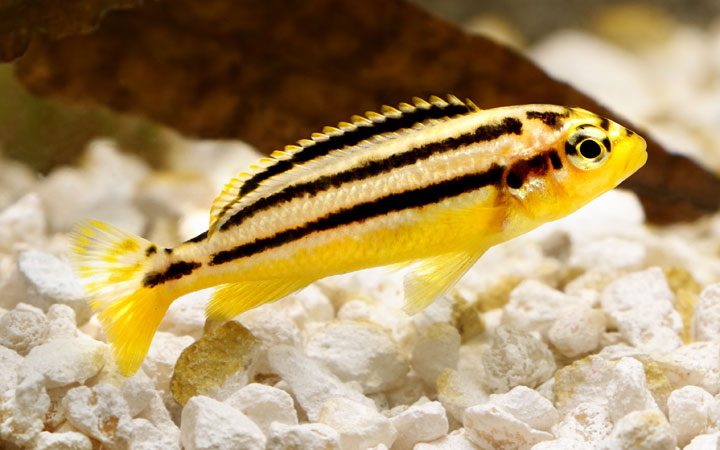
It is everyone’s best idea to keep only one male in the tank at any given time because the dominant male will viciously attack any other male in the tank.
They do not consistently pair off due to the dominant male’s tendency to have multiple partners. In addition to the dominating male, three or more females can also be included. In a single tank, he can mate up to five females. So, that’s the first thing to know about how to spawn auratus cichlid fish.
Recognize the Proper Procedures for Fish Reproduction
Once the proper circumstances are met, auratus cichlids can be easily bred. The male will become more vibrant in color and more aggressive when it is time to lay eggs. After staking out a mating territory, the male prepares a nesting site by excavating a hole in the sand or arranging pebbles, and then he shows it to potential mates.
Thus, it’s important to have lots of hiding places in the tank since the male has been known to murder female fish that refuse him. If the female agrees, they will perform many head-to-tail circles before the female lays her eggs.
Simultaneously, the male will turn to be practically on her side, wiggle, and extend his anal fin, allowing his milk to flow out. The female notices “egg spots” on the male’s anal fin and tries to get them back while she gets her genuine eggs.
For weeks, females hold eggs before dispersing them as floating seeds. You could see by the size of her swollen mouth that she wasn’t eating during this time because she didn’t want to risk swallowing any of the eggs.
Under extreme pressure, a female may regurgitate her young before the exact time. So, eggs can be kept in an incubator or fish nursery to keep the female from growing too weak to continue reproducing. After roughly twenty-eight days, the seeds will be able to float freely. After this, the mother will let go of her baby!
The information above taught you how to spawn auratus cichlid fish properly. Ensure that you have a complete and comprehensive understanding of it. If you get it, then what exactly are you waiting for? It’s time for you to take charge of the situation and handle it on your own. Remember to steer clear of anything that can disrupt the natural reproductive process of the fish.
References:
https://urbanfishkeeping.com/auratus-cichlid-care-guide-diet-habitat-breeding-accessories/
https://www.seriouslyfish.com/species/melanochromis-auratus/
https://www.aquariumnexus.com/auratus-cichlid/
https://www.fishkeeper.co.uk/help-and-advice/freshwater/cichlids/auratus
https://www.google.com/url?sa=t&source=web&rct=j&url=https://www.aquariumindustries.com.au/wp-content/uploads/2015/03/Melanochromis-Auratus.pdf&ved=2ahUKEwjU8KjwhrX6AhWeT2wGHb8cBvgQFnoECFIQAQ&usg=AOvVaw0_pnyRInzbZT9L8JWmeAF9
https://aquariumfishblog.com/auratus-cichlid-fish/