
How to Keep Freshwater Bamboo Shrimp in a Water Tank

Freshwater Bamboo Shrimp are fascinating creatures that can make a great addition to your aquarium. Here are essential guidelines to help you maintain a healthy environment for them.

1. Tank Setup

Tank Size: A minimum of 20 gallons is recommended. More space allows for better water quality and gives shrimp room to roam.

Substrate: Use a fine substrate made of sand or small gravel to allow for easy digging and foraging.

Aquascaping: Include hiding spots like driftwood, rocks, and plants. Live plants can also help maintain water quality.
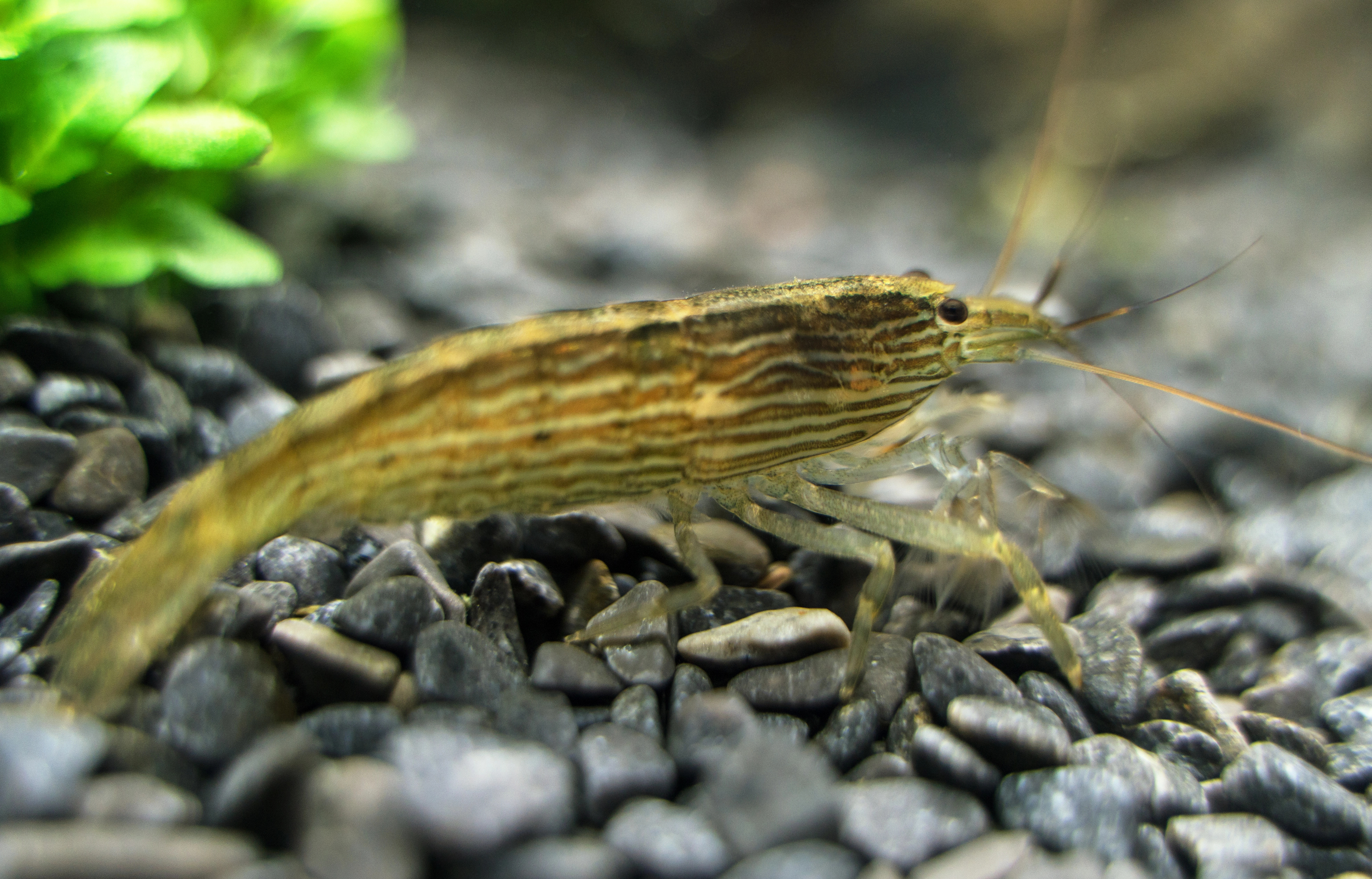
Freshwater Bamboo Shrimp (depositphotos.com)


2. Water Conditions

Temperature: Maintain water temperatures between 72°F and 82°F (22°C to 28°C).

pH Level: Keep the pH between 6.5 and 7.5. Test the water regularly to ensure stability.

Hardness: Aim for a water hardness of 4 - 8 dGH.

Filtration: Use a filter with gentle flow, as strong currents can stress the shrimp.

3. Diet

Primary Food: Bamboo Shrimp are filter feeders. Provide fine food particles that they can catch, such as powdered spirulina, specialized shrimp food, or finely crushed flakes.

Supplementary Feed: Include algae wafers and blanched vegetables (such as zucchini) to diversify their diet.

4. Tank Mates

Compatible Species: Choose peaceful fish species. Avoid aggressive or large fish that may see shrimp as food.

Community Tank: A well-planned community tank with smaller, calmer fish will help keep the shrimp safe.

5. Maintenance

Regular Water Changes: Perform weekly water changes of about 10-20% to keep the environment stable and clean.

Monitoring: Regularly check water parameters and ensure all conditions are optimal for shrimp health.

6. Breeding

Breeding Conditions: While it can be challenging, optimal conditions include stable water quality and ample food supply. You may need a separate breeding tank since fry require different care.

By following these guidelines, you can create a thriving environment for Freshwater Bamboo Shrimp, allowing you to enjoy their unique behavior and graceful appearance in your aquarium.

Popular posts from this blog

How to Choose a Good Quality of Koi Fish

Sometimes, purchasing koi fish to place in your pond can be difficult, especially when you haven’t decided which best type to take home. Well, if you ask, there are two aspects to be considered for choosing the best quality of koi fish. First, the price is the factor you need to think before making a decision. If you are a beginner, it is possible for you to make mistakes. So, it is better to choose the low-priced koi so you won't waste anything in a great deal. Second, the resilience of the koi is another thing you need to consider. As a beginner, you should anticipate the possible mistakes you will do in the future. Let's say that you may forget to feed them or clean their pond. That is why taking home koi with good resilience is a good idea. Then, after you understand those two aspects, you can read and think over the types of koi fish of good quality below. 1. Kohaku Koi Fish The impression of Kohaku Koi fish is simply iconic. Also, because of their resilience and their f...

Types of Cory Catfish and Fish Feed

(Meta description:  Cory catfish are loved for their friendly, sociable manners. They are also easily maintained. Get to know the type and how to  feed cory catfish.) Cory catfish is a favourite to those who love pet fish. They are friendly and easily maintained. Get to know the type of and how to feed cory catfish. 5 Types of Cory Catsifh                1.      Bronze cory catfish (Corydoras aeneus). This type of cory catfish can be either bronze (obviously) or green. They can grow as long as two and a half to three inches (7.5 centimetres). Another thing that affects their growth is the size of the aquarium. The bigger it is, the longer their bodies can grow.        2.      Panda cory catfish (Corydoras panda). With pale bodies, panda cory catfish have black patches on, especially around their eyes. Panda cory catfish is also often mistaken for Corydoras m...

Benefits of Maintaining Bala Sharks Fish at Home

Meta-Description: Here are some benefits of maintaining Bala Sharks fish at home. Know more to reveal what you can get from these stunning creatures. One of the exotic freshwater aquarium choices for the fish hobbyist is Bala Shark. The fish, also known as Tricolor Minow, are schooling fish that will give a magnificent addition to the tanks. And don't feel intimidated with the name, because, the only one that can relate this fish to that giant sea creature is the fin. Far from being dangerous and terrible, Bala Shark is an exotic fish with tolerant behavior and easy temperament. And there are still many benefits you can get from maintaining the fish in the tanks. Read more to know the benefits of maintaining Bala Sharks fish at home: Easy Feeding Habits Bala Shark is omnivores that naturally eat insects their own larvae and eggs, and phytoplankton. In the tanks, you can give them frozen food or dry ones. Their feeding habits are easy and won't burden you. Ho...