
How to Keep Butterikoferi Cichlid Fish in an Aquarium

Find out some tips about keeping Butterikoferi Cichlid fish in the aquarium, starting from the tank size, water condition, tank decoration, food, as well as perfect tank mates.

Butterikoferi Cichlid, also known as the Zebra Tilapia, originate in Africa, Asia, and South America. This African Talapia has an aggressive nature but is famous as show fish. This species comes in various colors, patterns, and sizes. They can be peaceful during their teenage but become very territorial reserve when they get bigger. 
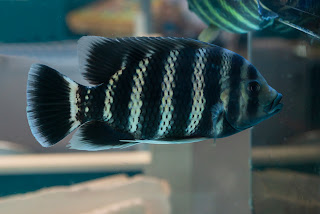

Therefore, keeping Butterikoferi Cichlid fish in the aquarium is challenging, especially when you house them with other fish species. To know the best tips for maintaining the Zebra Tilapia in a tank, keep reading.

Tank Size

Because Butterikoferi Cichlid is very aggressive and agile, it is best to choose a spacious tank. They tend to become more aggressive when they feel their territory is threatened. If your Butterikoferi Cichlid is at least six inches long, they require not less than 30 gallons of aquarium space. However, if your fish is smaller, then a 20-gallon tank will do. More company to the tank will require at least three more gallons per additional fish. 

Water Temperature and pH Levels

When you’re keeping Butterikoferi Cichlid fish in the aquarium, having a water level test kit is important. This tool will help you maintain the water condition. The perfect water pH range for this freshwater is 6.5-8.5 pH, while the temperature should be around 68 to 80 degrees Fahrenheit. When Butterikoferi Cichlid lives at a pH of around eight, their colors will look more vibrant and glaring.

Tank Decoration

Since Butterikoferi Cichlid fish tends to be aggressive, remove things that might fall or knock over. If you place more than one fish in the aquarium, then hiding places are necessary. It will help the weaker fish to hide when the fight occurs. You can also consider placing easy aquarium plants like Anubias, Java Fern, Hornwort, Green Cabomba, and Anacharis.

Diet Option

Besides monitoring the water temperature and pH levels, choosing the best diet is also vital. In addition to cichlid pellets and frozen foods, you can also add living foods to their diet. Varieties of living foods you can offer them include brine shrimp, insects, tubifex worms, earthworms, and mosquito larvae. You can also give them vegetable-based foods such as boiled cucumber. Feed them not more than twice a day.

Tank Mates

Some types of fish must be avoided. Never consider placing them together with small fish that tend to be powerless. They might also likely end to be Butterikoferi Cichlid’s meal. South American cichlids may look similar to African cichlids but, they’re not ideal tank mates. If you wish to house your Zebra Tilapia with another species, you can try African catfish as they seem to be able to defend themselves. However, same species companions are the safer option. 

So have you learned some tips about keeping Butterikoferi Cichlid fish in the aquarium? We hope you find this care guide article useful. When you successfully raise healthy Zebra Tilapia, you will be able to keep them for several years.

Popular posts from this blog

Platypus habitat

The platypus is a unique and fascinating monotreme native to Australia. It is one of the few egg-laying mammals and is known for its distinctive features, including a duck-like bill, webbed feet, and a flat tail. The platypus has a streamlined body adapted for aquatic life, and it primarily inhabits freshwater streams and rivers. platypus ( shutterstock.com) One of the most notable characteristics of the platypus is its bill, which is sensitive to electrical fields generated by the movements of prey underwater. This adaptation allows the platypus to hunt efficiently for invertebrates and small fish while swimming with its eyes and ears closed. In addition to its bill, the platypus has webbed feet that assist in swimming but have retractable claws for digging burrows. The platypus is also remarkable for its unique reproductive method. Female platypuses lay one to three eggs, which they incubate in a burrow. After hatching, the young feed on the mother’s milk, which is secreted through o...

Factors that affect the health of Koi fish

The health of koi fish is influenced by several critical factors which must be managed effectively to ensure their well-being and longevity. Water Quality Ammonia Levels: High ammonia levels can lead to toxic conditions that compromise fish health. Regular testing and filtration systems are vital. pH Levels: The ideal pH range for koi is between 7.0 and 8.5. Extremes in pH can cause stress and illness. Oxygen Levels: Adequate dissolved oxygen levels are essential. Aeration can help maintain optimal conditions, especially in warmer months. Temperature: Koi thrive in temperatures between 65°F and 75°F. Sudden temperature changes can create stress. Koi Fish (shutterstock.com) Diet and Nutrition Quality of Feed: A balanced diet rich in essential nutrients affects koi health, growth, and coloration. Consider high-quality pellets and supplements. Feeding Practices: Overfeeding can lead to water quality issues while underfeeding may cause malnutrition. Careful monitoring is necessary. Environ...

Environmentally Friendly Catfish Farming

Catfish farming is a significant aquaculture activity with high market demand. Implementing environmentally friendly practices ensures sustainable production while minimizing adverse ecological impacts. Key strategies for eco-friendly catfish farming include: catfish farming depositphotos.com 1. Sustainable Water Management Recirculating Aquaculture Systems (RAS): These systems reuse water through filtration and treatment, greatly reducing water consumption and waste discharge. Water Quality Monitoring: Regular checks of pH, dissolved oxygen, nitrogen compounds, and temperature help maintain optimal and stable conditions, preventing pollution. 2. Eco-Friendly Feed Practices Use of Natural or Locally Sourced Feed: Reducing reliance on commercial pellets that may contain unsustainable fishmeal or soy. Feed Optimization: Feeding the right amount reduces waste and feed residues that pollute water bodies. 3. Integrated Farming Systems Aquaponics: Combining catfish farming with vegetable cul...