In the native habitat of Buttericoferi Cichlid fish, this species loves coastal and rocky environments, loves plants, and is very aggressive but hardy.
Buttericoferi Cichlid fish is one of the most aggressive cichlids besides Flowerhorn Cichlid, Istlanum Cichlid, Jaguar Cichlid, Red Devil Cichlid, Green Guapote Cichlid, and Black Nasty Cichlid. Cichlid fish is popular among aquarium hobbyists because of their mesmerizing vivid color and energetic nature.
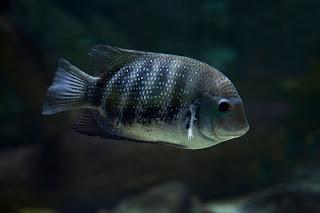
They’re also known as aggressive species that are quite hardy and may stay in your tank for years. To get to know Buttericoferi Cichlid better, here is some information about the life habitat of Buttericoferi Cichlid fish.
Origin Habitat
Buttericoferi Cichlid, also called Zebra Tilapia, Talapia butterkoferi, or African Talapia, is freshwater fish. They originally come from the river systems of Western Africa from Guinea-Bissau to Liberia.
This Zebra species is one of many exceptional African cichlids famous for their large body and appealing markings. According to their native habitat, Buttericoferi Cichlid needs a water condition with 6.5-7.5 pH, 4+ dKH water hardness, and 68-82°F temperature.
Description
This fascinating buddy is known as very aggressive and very territorial. In usual length, they can grow up to 30.8 centimeters. Their typical body figures are yellow or white with black stripes. The black stripes can also change color from lighter to darker, depending on their temper.
The vertical black belts are broader than the brighter interspaces. And stripes in Buttericoferi Cichlid usually fade as they get bigger.
Tank Set-Up
In their original habitat, this kind of Talapia loves coastal and rocky rivers. Therefore, you should put some decorations to your aquarium to recreate the native habitat of Buttericoferi Cichlid fish. If you are afraid that the decoration might be displaced, you can place some rocks that won’t be knocked down or live plants.
Solo Buttericoferi Cichlid requires a 75-gallon aquarium. However, if you keep a pair in one tank, they should be housed in at least a 75-gallon aquarium. As for tankmates, it is better never to place them with other species, especially smaller and more peaceful fish.
Diet
Buttericoferi Cichlid is herbivore. You can add living food to their diets, such as brine shrimp, ghost shrimp, zooplankton, krill, silverside, and mussel. To maintain a healthy diet, give them seaweed, herbivore pellet, benthic algae, spirulina, and daphnia as well.
Most Common Disease
The most common disease that usually attacks this species is a white spot. White spot is very contagious and caused by a parasite called Lchyophthirius multifilis. This parasite will cling into the fish, move under the fish’s skin, and feed on their cells and body fluids.
To cure this disease, you can give blue methylene. Give one to three drops of this liquid to the tank once every two weeks. Make sure the freshness of the water as well by setting perfect filters.
It is some useful information about Buttericoferi Cichlid fish. Because they are freshwater fish, maintaining the water condition is important. And keeping them in a tank is quite easy because this fish is very hardy.