Osteochilus vittatus is a famous fish in Indonesia. It's known as a nutritious and beneficial fish. Let's see its benefits and the Osteochilus vittatus fish habitat in nature.
Indonesian people love to breed ikan nilem, or known as Osteochilus vittatus. It is easy to find Osteochilus vittatus fish habitat in almost every province, especially in West Java and Sumatra.
The fish is famous for its savory and delicious meat. Sometimes, Osteochilus vittatus is used as a substitute for carp or ikan mas. The breeding of Osteochilus vittatus is also considered profitable, both environmentally and economically.
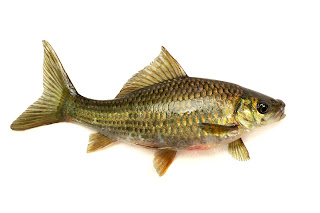
This fish is also a good choice for decoration in an aquarium tank or a fish pond. Even a beginner fish hobbyist can breed the fish.
Benefits of Osteochilus vittatus
There are several benefits of Osteochilus vittatus. Let's take a look.
For Daily Consumption
The community widely consumes this fish as a side dish. Its crispy and savory texture makes it a delicious meal.
As a Natural Lake Cleaner
When you do not feed Osteochilus vittatus in the lake, it will naturally eat various phytoplankton. Hence, it has the potential as a natural lake cleaner. If you have a fish pond at home, you can also put the nilem in there to keep it clean.
As Foot Therapy
The behavior of Osteochilus vittatus is the same as gama rufa. It likes to swarm the dipped feet in the pool and eat the epidermis on the feet. Not only gama rufa, but you can also use Osteochilus vittatus as a natural foot therapist.
Considering its beneficial behavior, many people love to breed Osteochilus vittatus. However, as a fish hobbyist, you might be very curious about its natural habitat. Get to know more about the natural habitat of Osteochilus vittatus here. So, you will understand where to find them.
The Osteochilus vittatus Fish Habitat
This fish includes herbivorous animals, which are known to live and spread in the waters of Southeast Asia, such as Siam-Thailand, Tonkin, the Malay Peninsula, Sumatra, Kalimantan, and Java.
This fish is found living wild in their natural habitat in public waters, especially in rivers with medium currents and clear water. In addition, you can also find it living in swamps. The fish is quite adaptable, moreover, in Indonesian waters. It is not rocket science for Indonesians to see this fish in the river or wetland.
Unfortunately, compared to years ago, the population of Osteochilus vittatus in public waters is decreasing. There are two reasons why this happened. First, it is about the changes in the aquatic environment. The Osteochilus vittatus is not comfortable living in dirty and polluted natural behavior. The second one is the irresponsible exploitation.
However, there are some steps we can take to keep the population of Osteochilus vittatus growing. We can keep its habitat clean by making sure that no waste pollutes the waters. The second is to spawn nilem fish farming activities, especially in rural communities.
Now you already know about the Osteochilus vittatus fish habitat and the threat of its population. Although Osteochilus vittatus is not a rare fish, we should notice the decrease of its population in the natural habitat and keep our environment clean to support the growth of this beneficial and magnificent little fish.