When keeping Firemouth Cichlid fish in a tank, you must imitate their natural habitat, like adjusting the water temperature, pH, and hardness.
The firemouth cichlid fish is popular among aquarium hobbyists. Their vivid bright red feature and unique flair are a perfect splash of color to your tank. If you are a beginner but wish to house this species, don’t worry because they are hard and easy to care for. To learn more about keeping firemouth cichlid fish in an aquarium, here is the information for you.
Natural Habitat
Firemouth cichlid fish, also known as Thorichthys meeki, is freshwater from Central America and South America. They love to inhabit slow-moving rivers with muddy or sandy bottoms. They are pretty hardy. That is why keeping firemouth cichlid fish is perfect for aquarium beginners.
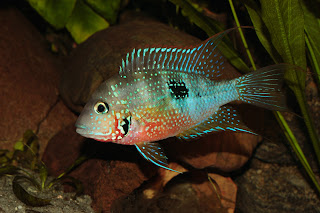
Even though they like to live among other firemouth cichlids and other species, firemouth cichlid is not schooling fish. This little buddy is quite territorial. Therefore, there will be some competition if they feel threatened. Besides its hardiness, this fish is also popular for its fast growth rate and easy adaptation.
Tank Set-Up
To grow a healthy and peaceful firemouth cichlid, you should imitate their natural habitat as much as possible. To replicate firemouth cichlid origin, you can start by arranging the perfect water temperature. Because it loves to live in warm water, make sure the water temperature is 75-86°F with a 6.5-8.0pH.
Set the water hardness in between 8-15 dGH. Place some sand or mud on the tank surface to copy their wild habitat. Although they are freshwater fish, they can tolerate ten percent of normal seawater setup.
As for the water freshness, make sure your tank doesn’t contain any ammonia or other harmful composition by placing a good filtration system. Add some driftwood, rocks, or plants for their hiding places. If you want to place water plants, choose the hardy ones such as sagittaria.
Tank Size
The perfect aquarium size is 30 gallons for a pair of Thorichthys meeki. As for a single firemouth cichlid, 15 gallons is large enough. However, the bigger the tank size, is better for them. You can also add other fish along with them.
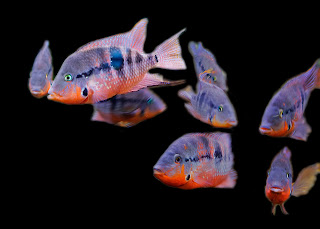
When changing the water, avoid making drastic changes by keeping the transition at the rate of 30%. Do this once every two weeks. It is recommended to ensure the new water temperature, pH, and harness. It will avoid the possibility of your little buddy being stressed out.
Tank Mates
When they receive enough food and don’t feel intimidated, Thorichthys meeki are peaceful buddies. The size of the tank can also determine their aggressiveness. A bigger tank is a better option. Thorichthys meeki won’t start a fight when placed with the same size fish.
Male fish will be troubled by bigger and more aggressive species, while female fish are experts in finding shielding under the other fish. There are many options for meeki’s tank mates, such as upside-down catfish, yo-yo loaches, Odessa barbs, rosy barbs, blue acara, rummy nose tetra, rainbow fish, pictus catfish, clown pleco, and swordtails.
Now that you know about keeping firemouth cichlid fish, you don’t have to hesitate to add this species into your tank. Besides being very easy to take care of, these fish are also pretty.