Here are things you need to prepare and to do when you want to spawn Firemouth Cichlids, such as setting the perfect temperature and recreating their natural habitat.
Firemouth cichlids fish is not new news among aquarium hobbyists. The fish, known for its stunning coloration, is popular in the tank trade. This fish is cheap and hardy as well. Therefore, many fish keepers love to add this species into their tank community. If you see a business opportunity, here is some useful information for you who wish to spawn firemouth cichlids.
Brief Description and Care
Firemouth cichlids are freshwater fish. These species are perfect for tank beginners. The water change must be conducted every other week, and good filtration is important to create a healthy environment. Male fish is bigger than female fish. In comparison, male fish can grow up to 8 inches, the female fish measurers only 4 inches.
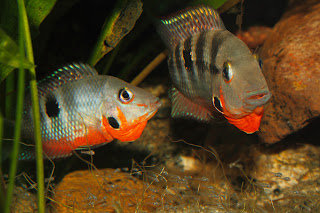
What makes them stunning is the vivid red color that can be seen in the bottom of their gob to the upper belly. Firemouth cichlids also have black and grey stripes across their bodies, from the head to the caudal fin. When they feel threatened or during mating, firemouth cichlids always flare their red gills and throats.
Equipment Needed to Breed Firemouth Cichlids
To spawn firemouth cichlids, you need at least 24 inches aquarium and good filtration because these fish waste pretty a lot. Set some gravel and sand on the bottom of your tank along with several stones, driftwood, or clay plant pot.
In the wild, these species inhabit slow-moving rivers with warm temperatures. To replicate the water temperature, use a 100-watt heater. When you have already set the tank, place a group of six teenage firemouth. Prepare some brine shrimp and micro worms culture for their diet.
Prior to Breeding
House at least six firemouth cichlids in one tank. If you see a possible couple among them, remove the other fish. To spawn firemouth cichlids, you need to set the temperature to 82℉. Place the couple into the 24-inch aquarium – a bigger tank is better. You can feed them with the living foods several times a day.
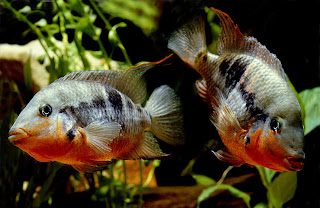
Make sure to place some sand and gravel because this species loves to dig up the plate. As for the water plants, be certain they are already potted up.
Mating Behavior
Before spawning, firemouth cichlids will scrub the stones or plants. They are marking their breeding spot. During spawning, the female will lay eggs on the spot by gliding over them and putting the egg one by one. On the other hand, the male slides over the eggs and fertilizes them.
The female spread the eggs in one line and did not put them above the other eggs. The eggs are dark brown. Once the fertilization is complete, you can see the rocks or plants, which become the breeding spot, will be covered in eggs.
In one breeding, the female can release hundreds of eggs. Both the female and male guard the fertilized eggs until they hatch. If there are dead spawns, firemouth cichlids will remove them so they won’t pollute other eggs.
The eggs will hatch in around four days. The parent will guard them until they become free-swimming. Generally, the fry becomes free swimming on the seventh or eighth day.
See, it’s quite easy. As long as you keep the temperature warm and set the mating tank like their natural habitat, you can see your firemouth cichlids breeding. To spawn firemouth cichlids is as simple as taking care of the adults.